
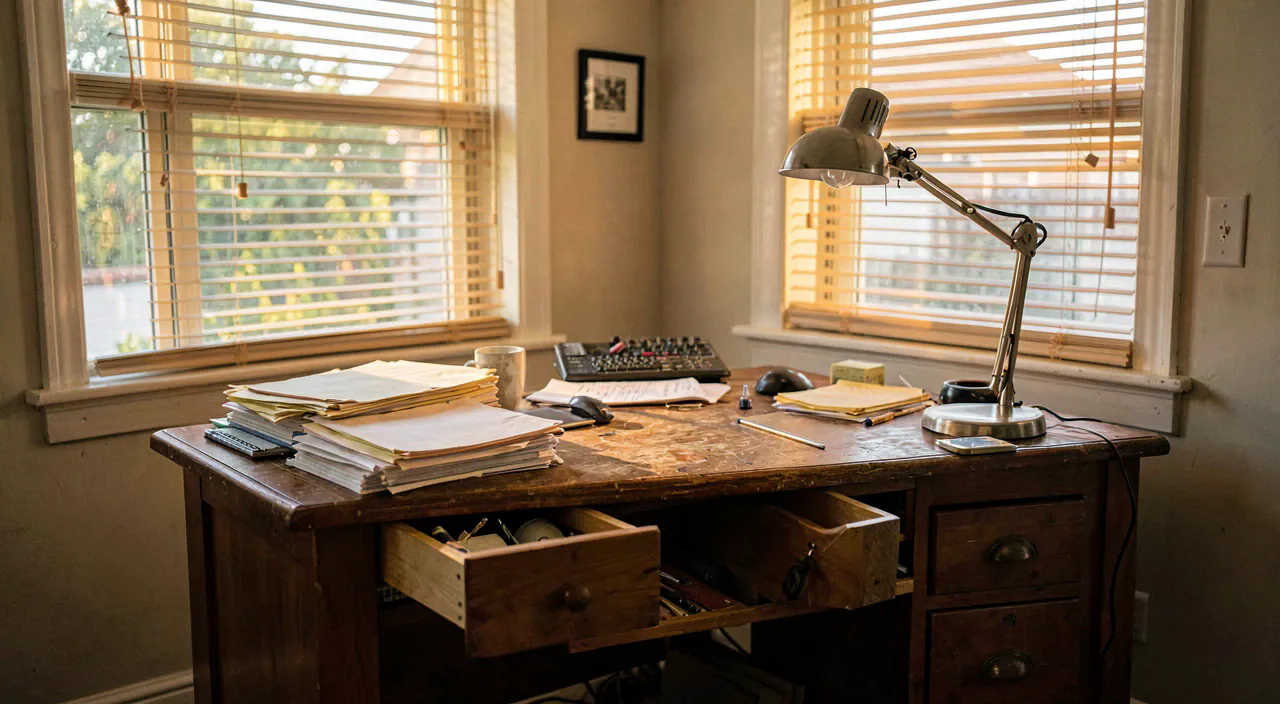
A sole trader return is priced on how much of it we have to rebuild. If the bank feed is coded and the odd cash purchase has a photo attached to it, the work is short. If it arrives as a drawer, somebody has to sit down and reconstruct twelve months from statements, and that is the difference between the bottom and the top of our range.
None of this needs software you do not already have. It needs a habit that takes about twenty minutes a month.
The short version
- Every business account on a bank feed, coded monthly rather than in June
- A photo of anything paid in cash, taken the day it happens
- Invoices out, in one place, in order
- A logbook if a vehicle is used for both work and private travel
- Anything bought over the write-off threshold kept separately, with the date it was first used
- Last year's return and notice of assessment where you can find them
What to keep, and for how long
Keep anything that supports a claim for five years from the date the return is lodged. That is the rule, and it is longer than most people assume. For an asset you are depreciating, keep the purchase record for five years after the last claim you make on it, which can be a decade after you bought the thing.
Electronic copies are fine. A clear photo of a receipt is a record. A faded thermal docket in a glovebox is not, which is why the photo matters more than the paper.
The six that trip people up
- Cash purchases. The bank feed cannot see them, so if there is no photo there is no claim. This is the single biggest source of lost deductions we see.
- Private use. A phone, a ute and a home internet connection are almost never one hundred per cent business. Decide a reasonable split once, write down how you worked it out, and use it consistently.
- Motor vehicles. Either keep a twelve week logbook, or accept the cents per kilometre method and its cap. Deciding in July which one you are using is worth more than any argument about it in May.
- Tools and equipment. Whether an item is written off immediately or depreciated depends on the threshold that applies in the year you first use it, and those thresholds move. Keep the invoice and the date it went into service, and we will apply the right treatment.
- GST on things that do not carry it. Government charges, most insurance stamp duty components, bank fees and residential rent are the usual culprits. Coding them with GST overstates your credits and is the first thing a review looks at.
- Working from home. Keep a record of the hours, not an estimate written in June. A calendar entry or a simple diary is enough, and it is the substantiation the method requires.
What you do not need to keep
You do not need paper duplicates of anything already in the bank feed with a clear description. You do not need to keep quotes you did not accept, or statements from an account the business never used. And you do not need a shoebox, which is the point of all of this.
What good looks like on 30 June
Every business account reconciled to the last day of June. A short list of anything you know is unusual: an asset sold, a debt written off, a loan taken out, money moved between entities. Stock counted if you carry any. And nothing waiting to be explained, because it was explained in the month it happened.
Clients on a fixed fee get this checked quarterly, so 30 June is a formality rather than an event.
If you are already behind
Being years behind is more common than people think and it is not the disaster it feels like. We list what is actually outstanding rather than guessing, quote one fixed fee for the whole catch-up, and deal with the ATO ourselves. Voluntary catch-up is treated very differently from being chased.